

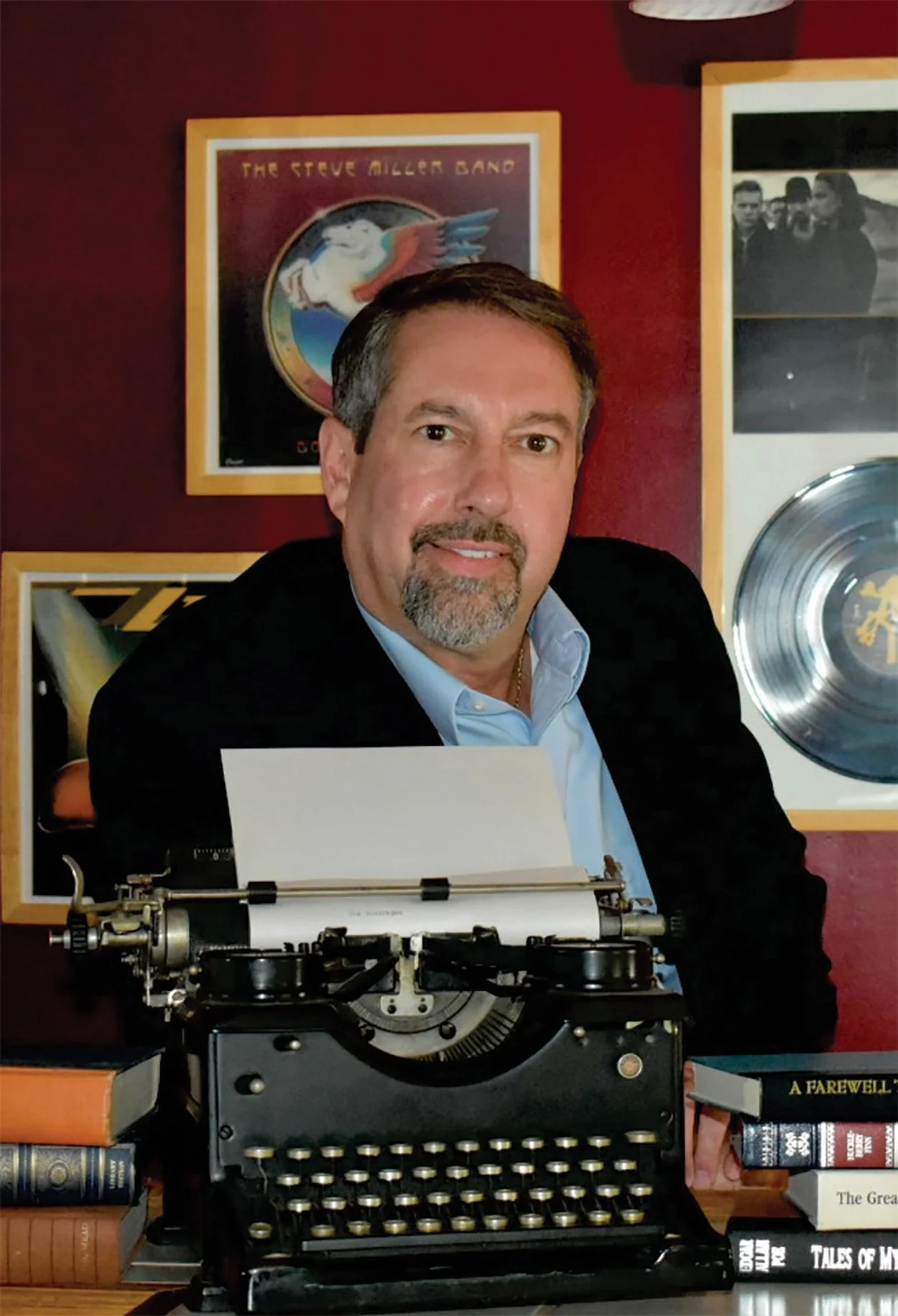
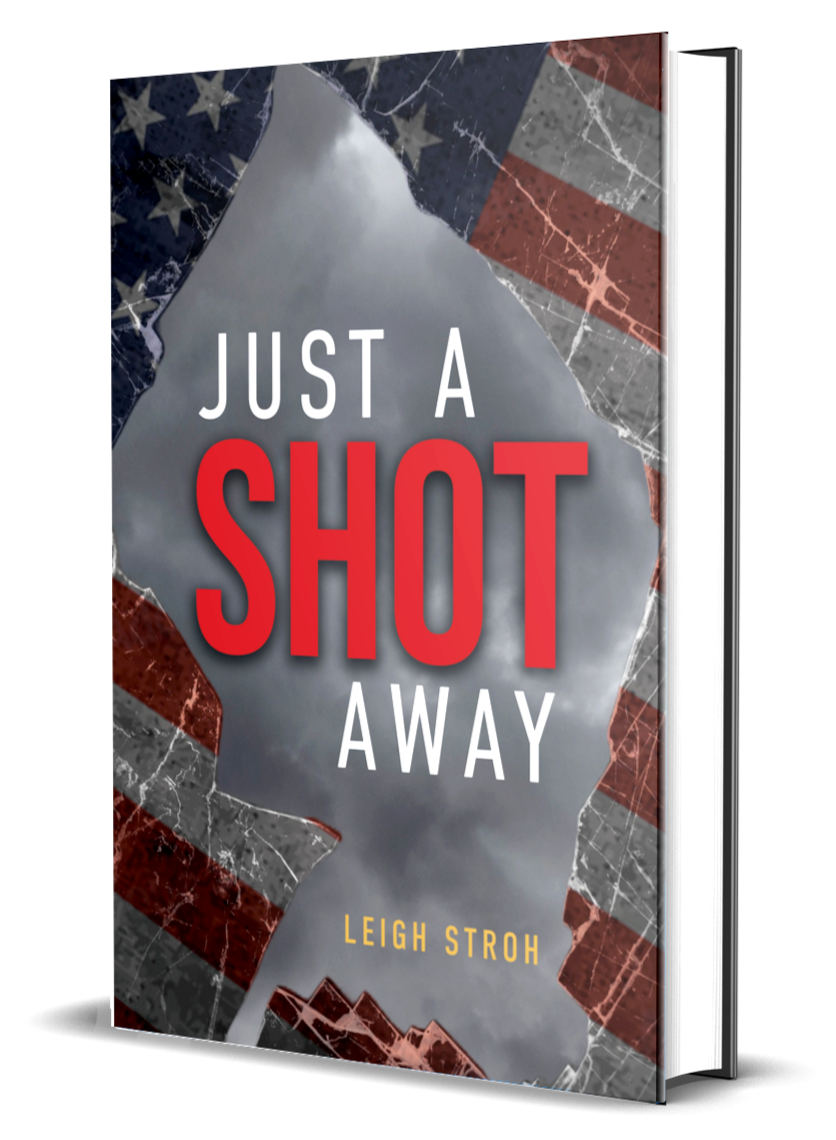
LEIGH STROH
Leigh Christopher Stroh has been telling stories nearly his entire life. From barely beyond a babble, even as a child he could spin some stretchers, as Mark Twain might say.
A love of film and fiction stoked his creative fires until a Writing for Publication course at the University of Michigan first supplied the impetus to transform his imagination to prose, flawed though it was. “My first writing was horrible. Imaginative, sure, but clunky and slow,” Stroh confesses.
He studied and later taught creative writing in high school and at the college level. As a career educator, his love of the tale only continued to deepen. His Masters from Eastern Michigan University refined his focus on the American literature that he taught and that led to a great appreciation of and influence from Faulkner, Fitzgerald, Twain, Salinger, Poe, and Bradbury, in particular. But perhaps the greatest influence on his voice was his students in Almont, who always wanted to hear another one of his “good stories” after they had read the greats.
His journey through his education and the education of nearly five thousand students has been quite an adventure and continues now in the world of publishing. Over his career, he constantly championed students and colleagues, emphasizing that they were the heroes of their stories, whatever those stories were, and that this world desperately needed its heroes. He often challenged them to be heroes in the stories of others, as well.
As the dedication suggests, in many ways, the definition of a family man fits Leigh Stroh even better than educator, coach, negotiator, or writer. His mother was one of eight children, and his father one of seven. With so many aunts and uncles, he jokes that he has enough cousins for a Family Forest rather than a Family Tree. And every branch blooms to life in these pages.
He adores his wife of twelve years, Roxy, and his two sons, Logan and Nolan, and sincerely hopes that they will always see him as a hero in their stories.
As for the next chapter of his story, he hopes that the publication of his fiction will allow him to raise bigger questions for bigger audiences and to see where the lens of literature might provide greater clarity on what matters, at least to him.